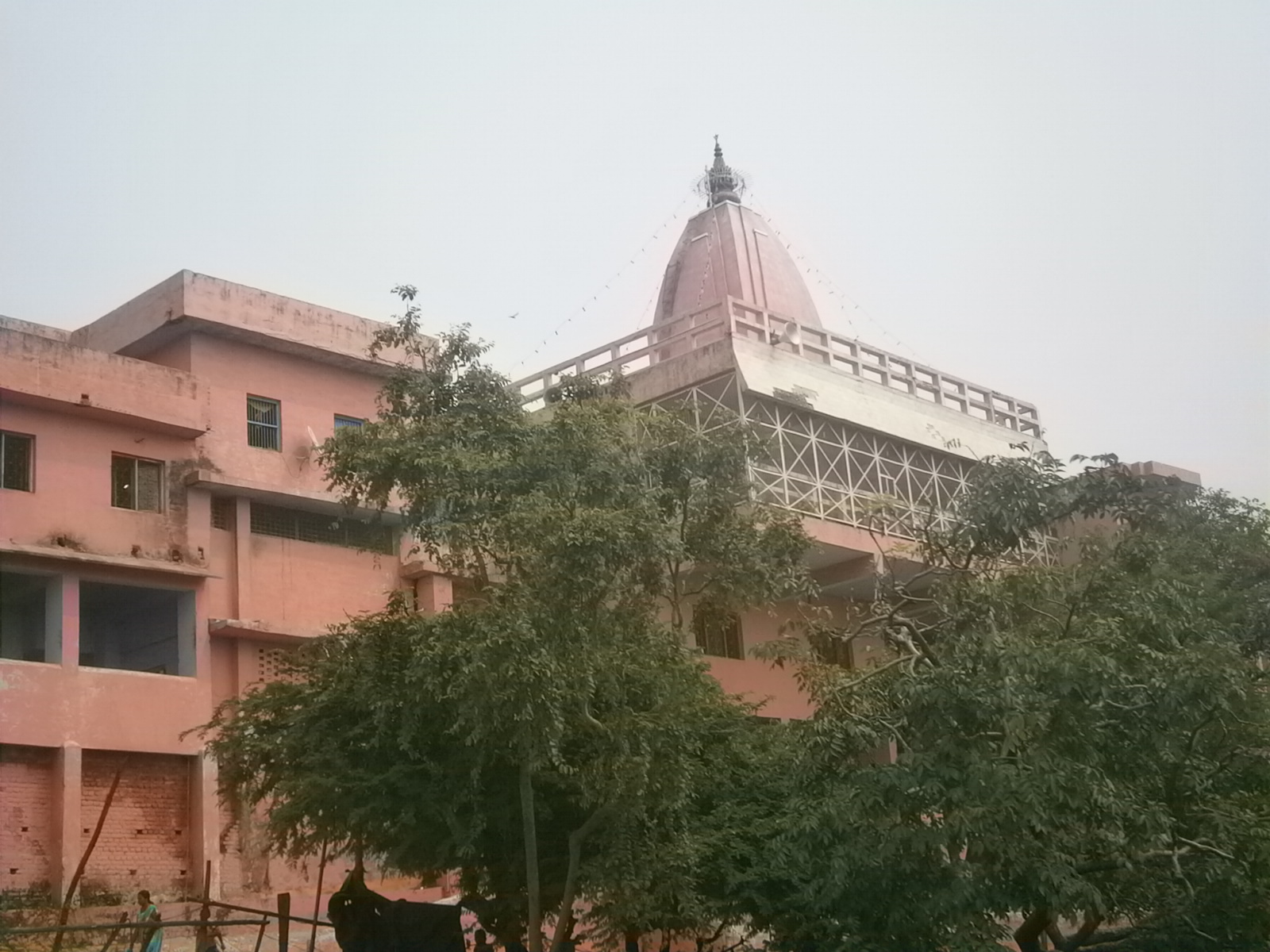
Haridwar – A gateway to heaven….Part – 2
In the last post of this series I had narreted how we arrival to Haridwar and performed Ganga Snan at Har Ki Pouri. Now…
Read More Traveling is good
In the last post of this series I had narreted how we arrival to Haridwar and performed Ganga Snan at Har Ki Pouri. Now…
Read More
Almost every tourist attractions in Fort Kochi have a history of their own so is the Chinese fishing net. Kochi, the ‘Queen of Arabian Sea’, was once a major centre of trade with the Arabs, Chinese, Portuguese, Dutch and the British where everyone had left their marks. While some claim that the Chinese traders from the court of Kublai Khan set up Chinese fishing nets to shores of Kochi that dates back to 14th century; some others say Chinese explorer Zhang He introduced the Chinese fishing nets here in early 15th century. Whatever may be the correct claim, the fact is that this system is in use for more than last 500 years.
Once a fishing accessory, the Chinese fishing nets, now have become a major tourist attraction in Fort Kochi.
Read More
It has been really a long time since I last posted any travelogue on ghumakkar. Due to various official as well as domestic engagements…
Read More
After paying our tribute to all the twelve sati, we went inside the main mandapam of the Rani Sati. It was huge structure similar to those found in the Rama Krishna Mission temples. Lots of space was available for people to sit and pray. There was no statue of any sati. Instead a simple trident depicting the Goddess was placed for devotees to pray before her. The walls and columns of the mandapam were again beautifully painted. Two or three purohits were helping the devotees in offering prayers there. The followers of Rani Sati trace her origin from the times of Mahabharata, in which she was the wife of Arjuna’s son Abhimanyu. Her name was Uttara. She wanted to perform the rites of sati, when Abhimanyu died in the Mahabharata battle. Then, Lord Krishna persuaded her not to do so, giving her a boon that she would get an opportunity to perform Sati in her next birth. As prophesied by Krishna, she was born in modern-day Rajasthan (Shekhawati) and Abhimanyu was born near modern-day Hissar in Haryana. Her name was Narayani and Abhimanyu’s name was Tandhan. He had a beautiful horse, which was also eyed by the King’s son. However, in the battle for the horse, king’s son was killed. Further, an infuriated king killed Tandhan in the battle. The brave Narayani, after killing the King in revenge, performed sati at the pyre of her husband. She was supported by the caretaker of the horse, named Ranaji. For his efforts, the brave sati granted Rana Ji a boon that his name would always be remembered before her vey name. Thus, the name “Rani Sati” came into existence.
Read More
No cannon or other displays that go along with a Fort do exist at Fort Kochi. Though there are narrow alleys but none led to any gallery or a palace of any king or queen that a fort guards. In fact there exists no fort though the name endures it. Fort Kochi is a place within the city of Kochi and lies in the peninsula. Perhaps the name takes its first part since a fort was built in this region by the Portuguese.
Read More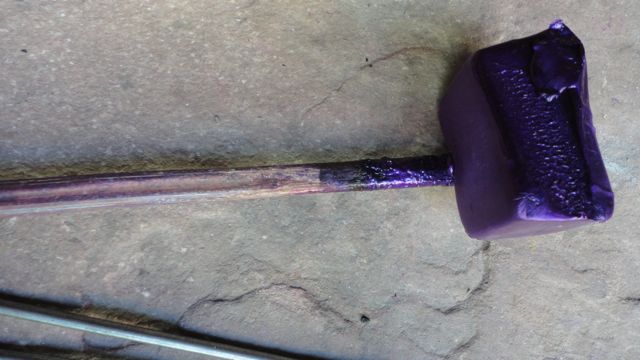
If the second craftsman was satisfied with the measurement, his next function was to join the two ends of the rolled lac to make it into a bangle. For this, he brought both the ends of the rolled lac over the coal-burner and heated it for appropriate state of melting. The lac then binds itself and both ends join together. However, to make the joining spot invisible to the naked eyes, the craftsman had to rub off the uneven surfaces and make it smooth. He used a wooden handle for that function. Now, the bangle of the basic shape and size was made. It was handed over to another set of craftsmen for designing and sticking of semi-precious or artificial stones/glass pieces so as to make it attractive.
Read More
The biggest challenge for any family-traveller is to convince his spouse to visit the very place to which the said traveller wants to go….
Read More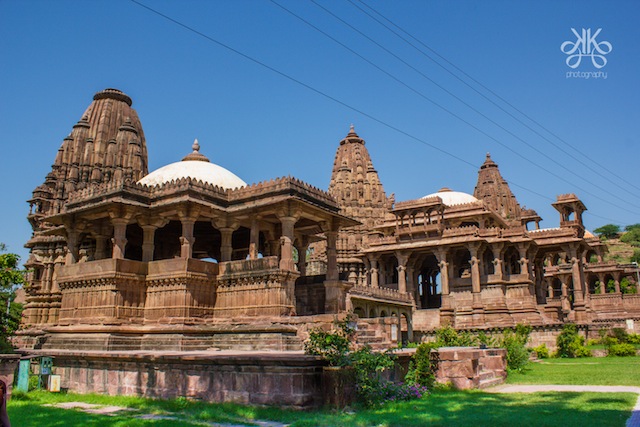
वर्षों से जोधपुर राजपुताना वैभव का केन्द्र रहा है। जिसके प्रमाण आज भी जोधपुर शहर से लगे अनेक स्थानों पर प्राचीन इमारतों के रूप में मिल जाते हैं। जोधपुर से 9 किलोमीटर की दूरी पर एक ऐतिहासिक स्थान मौजूद है जिसको मंडोर गार्डन के नाम से पुकारा जाता है। इसी के नाम पर एक ट्रैन का नाम भी रखा गया है-मंडोर एक्सप्रेस जोकि दिल्ली से जोधपुर के लिए चलती है। मैंने भी जोधपुर पहुंचने के लिए इसी ट्रेन का रिजर्वेशन करवाया था। यह ट्रैन शाम को पुरानी दिल्ली से चलती है और सुबह सात बजे जोधपुर पहुंचा देती है।
Read More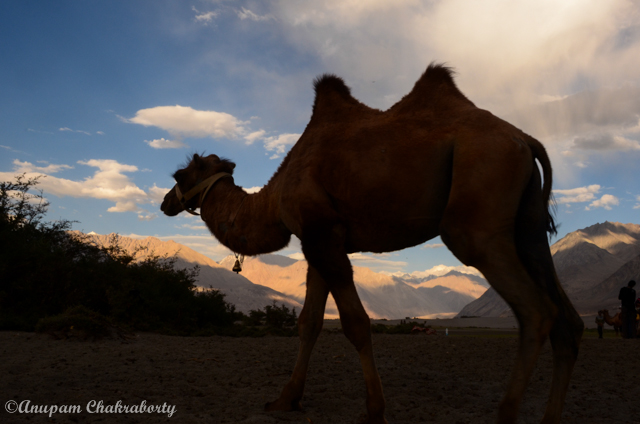
Usually deserts occur in low altitude, such as the great Indian Thar Desert. But there is also one high altitude cold desert in India which occurs in the Hunder village of Nubra Valley…………..We arrived there. It was beyond our imaginations and dreams to see such a vast bed of silver sands with brown mountains at the backdrop…………The sand dune offers to its visitors the great Central Asian double-humped camel safari. While other visitors were busy in getting their turn first for the safari, I went close to the camels. They look the same normal camels except those two humps. For the first time I saw those camels.
Read More
The Government of and an-independent India, on its 25th Independence day in 1972, had changed the name of the Mutiny Memorial into “अजीतगढ़” to commemorate the sacrifice of all the native forces that had fought the war of the Independence and dedicated the same to the country.
Read More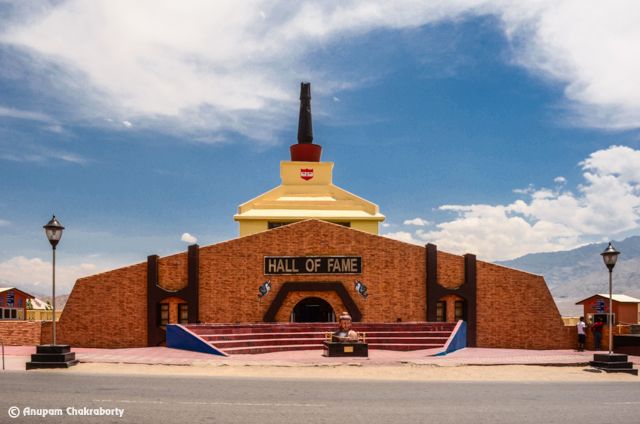
As we entered inside the museum we were briefed by an Army Personnel. This two storey museum is maintained by the Indian Army and divided into various sections for displays. A section of the ground floor portrays the facts, culture and history of Ladakh. It has a souvenir shop where you can get t-shitrs, coffee mugs, caps, pashnima shawls etc. Enthusiast may shoot photos in Ladakhi attire in the photo shop and take the print for a nominal charge. Finding no interest in it, we went to another section of the same ground floor. The walls here are occupied by the pictures of Kargil War 1999. It transported us to decades back. The displays on the walls gave us a vivid portrayal of how Indian Army fought the war.
Read More
The upper floors of the palace house museum and monastery. While in the palace, you may come across with members of royal family. I did! It was for informing that photography inside the museum is not allowed! The rooms of the palace open to the visitors are the king’s room, queen’s room, palace gompa and a room that displays a Ladakhi Kitchen. Among all, the best I found was the royal Ladakhi Kitchen. It is the traditional kitchen of royal family which displays utensils, ceramics, clay pots and clay stoves with chimney. Dining area inside the kitchen is beautifully decorated with low height tables. It’s a no photography zone! A staff of the palace was with the visitors to discourage photography inside. But there are some parts of the palace where you can take photographs.
It was my great experience to visit these royal palaces in Ladakh. By PALACE what comes primarily to our mind is a grand royal residence which is made in timeless elegance. But the palaces of Ladakh are not of such kind, yet they stand high to show their presence in the glorious past of a kingdom that lost in time!
Read More